
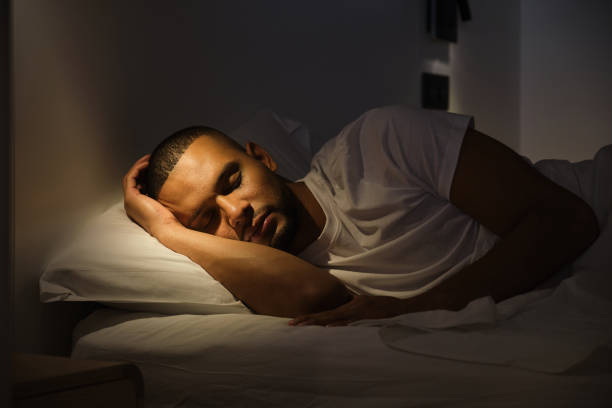

Why this guide matters
Sleep and hormones work together to support healthy erections. When sleep is short or broken, hormone balance shifts—testosterone drops, while stress hormones like cortisol may rise. This can weaken blood flow, interrupt nerve signals, and lower sexual desire. Over time, poor sleep may increase the risk of erectile dysfunction and affect overall energy and mood.
The good news: improving sleep quality restores the balance hormones, boosts recovery, and helps your body perform at its best—both in daily life and in the bedroom.
How sleep supports erections
During REM sleep, the body sends extra blood to the penis. These are nocturnal erections, and they are a natural part of healthy male function. They happen several times each night and act as a “workout” for the penis, keeping the tissue oxygenated and flexible. These erections also serve as a sign that blood vessels, hormones, and nerve signals are working as they should. Poor sleep can cut REM time and reduce these erections, which may raise the risk of erectile dysfunction over time. In fact, doctors often use the presence or absence of nocturnal erections to help tell if ED is caused more by physical or psychological factors.
Learn more: REM sleep and nocturnal erections (PubMed).
The hormone–erection connection
Testosterone: the key player
- Most daily testosterone release happens during sleep.
- Levels rise at night and peak in the morning.
- Sleep loss or sleep apnea can lower testosterone and hurt sexual function.
Learn more: Sleep and testosterone review (NIH/PMC).
A small lab study found that one week of sleep restriction lowered daytime testosterone in healthy men. Other research is mixed, but most evidence shows that less sleep often means lower testosterone, especially in the morning.
Learn more: Sleep restriction study (NIH/PMC) • Review on sleep, testosterone, cortisol.
Cortisol: the stress signal
Cortisol is your main stress hormone. When it stays high (from stress or poor sleep), it can fight against testosterone and reduce sexual function. Emerging research links cortisol changes to ED, especially in psychogenic ED.
Learn more: Cortisol and ED (NIH/PMC).
Melatonin, prolactin, and circadian rhythm
- Melatonin helps set your sleep–wake cycle. In some studies, better circadian timing links with better sexual function.
- Prolactin rises during sleep and may affect libido and recovery.
- A healthy body clock supports nitric oxide signaling and smooth muscle relaxation in the penis.
Learn more: Circadian clock & ED review (NIH/PMC).

Sleep problems that raise ED risk
Obstructive Sleep Apnea (OSA)
OSA causes breathing pauses and sleep fragmentation. It lowers oxygen and cuts deep/REM sleep. Many studies show that OSA and ED often occur together.
Learn more: OSA–ED review (NIH/PMC).
Can CPAP help?
- Some research shows CPAP treatment can improve sexual function and satisfaction in many men.
- Other trials show mixed or no improvement in erectile scores.
Learn more: AASM summary on CPAP & sexual function • Mixed CPAP outcomes (J Clin Sleep Med) • Review of CPAP and intimacy.
Shift work and irregular schedules
Night shifts and Shift Work Sleep Disorder (SWSD) are linked to worse erectile function and disrupted hormones. In some men, aligning sleep and light exposure helps.
Learn more: Shift work & ED (NIH/PMC).
How much sleep do you need?
Most adults do best with 7–9 hours a night. Too little sleep can cut REM time and lower morning testosterone. Some studies show no short-term drop, but the weight of evidence points to harm from chronic sleep loss.
Learn more: Sleep–testosterone studies (NIH/PMC) • Contrasting evidence.
Signs your hormones or sleep may be hurting erections
- Fewer or weaker morning erections
- Lower sex drive, fatigue, or low mood
- Loud snoring, gasping at night, or daytime sleepiness
- Weight gain around the waist
- Trouble falling or staying asleep
- High stress, “wired but tired” feeling
If these signs sound familiar and last more than 3 months, talk with a clinician.
What the major medical groups say
- The American Urological Association (AUA) says men with ED should be offered all reasonable options and evaluated for underlying causes, including sleep problems and low testosterone.
Read the guideline: AUA ED Guideline. - The Endocrine Society advises testing and treating true hypogonadism (low testosterone with symptoms) and warns that therapy can worsen sleep apnea in some men.
Read the guideline: Endocrine Society—Testosterone Therapy. - The American Academy of Sleep Medicine (AASM) recommends proper diagnosis and treatment of OSA for overall health and safety.
See AASM guidance: AASM clinical guidance & positions.

Step-by-step plan to sleep better, balance hormones, and support erections
Step 1: Lock in a regular sleep schedule
- Pick a consistent bedtime and wake time (even on weekends).
- Aim for 7–9 hours in bed.
- Use a wind-down routine: lower lights, light stretch, calm reading.
Step 2: Protect your body clock
- Get morning daylight for 10–20 minutes soon after waking.
- Keep nights dark and cool (17–19°C / 63–66°F).
- Avoid screens and bright light for 60 minutes before bed.
Step 3: Cut common sleep disruptors
- Avoid heavy meals, caffeine after noon, and alcohol near bedtime.
- Keep the bedroom quiet; consider white noise if needed.
- Reserve the bed for sleep and intimacy only.
Step 4: Screen for sleep apnea
Ask your partner if you snore or gasp. If yes, or if you’re very sleepy by day, speak with a sleep doctor. Treatment options include CPAP, oral devices, weight loss, and positional therapy. Treating OSA can improve energy, mood, and sometimes sexual function.
Learn more: AASM OSA guideline.
Step 5: Support testosterone naturally
- Lift weights 2–3 times a week; add brisk walks or intervals.
- Lose 5–10% of body weight if you carry extra fat around the waist.
- Eat a protein-rich, fiber-rich diet (fish, eggs, legumes, greens, nuts).
- Sleep 7–9 hours with good REM time.
- Manage stress (breathing drills, mindfulness, or therapy).
Why it helps: Better sleep and weight control are linked with better morning testosterone and healthier cortisol balance. (PubMed)
Step 6: Be smart about testosterone therapy
Do not self-treat. If your doctor confirms low testosterone with proper testing and symptoms, therapy may help. But it has risks, including possible worsening of sleep apnea and raising red blood cell count.
Read more: Harvard Health on TRT benefits/risks • Endocrine Society guideline.
Step 7: Address stress and mood
High stress raises cortisol and can block erections even when blood flow is fine. Use brief, daily tools: 4–7–8 breathing, a 5-minute walk outside, or short meditations. If anxiety or depression is present, ask for help. Treating mental health often improves ED. (PMC)
ED, sleep, and testing: what to expect
Your clinician may order:
- Morning total testosterone (ideally before 10 a.m.) on two separate days
- LH/FSH, prolactin, thyroid panel, and A1c (if needed)
- Sleep apnea evaluation if you snore, feel sleepy, or have risk factors
- A review of medications (some can affect erections or sleep)
Why morning? Testosterone is highest in the morning for most men, and sleep quality the night before can change that reading. (PMC)
Quick answers (FAQs)
Do morning erections prove my hormones are fine?
They’re a good sign that blood flow and nerves work. If you never have morning erections, talk with a doctor to check sleep apnea, hormones, or vascular health. (PubMed)
Can better sleep alone fix ED?
Sometimes. If poor sleep or OSA is the main driver, improving sleep may help a lot. But many men have more than one cause, so a full plan works best. (PMC)
Does CPAP always improve erections?
Not always. Some men improve, while others see little change. Stick with treatment for overall health and discuss other ED options with your clinician. (AASM, JCSM)
Are naps helpful?
Short power naps (15–20 minutes) can boost alertness. But don’t nap late in the day if it hurts your nighttime sleep.
What if I work nights?
Use bright light during your shift, blackout curtains to sleep, and keep a consistent schedule. Ask about melatonin timing and sleep strategies with a clinician. (PMC)

When to see a doctor
Seek care if you have:
- ED for 3+ months
- Very low libido or fatigue
- Loud snoring or gasping in sleep
- Medical issues like diabetes, high blood pressure, or obesity
Bring a sleep diary (bedtime, wake time, naps, caffeine, alcohol) and note how often you have morning erections. Ask about both sleep testing and hormone testing.
Guidelines to review: AUA ED Guideline • Endocrine Society TRT Guideline • AASM OSA guideline.
Action checklist (start this week)
- □ Keep a regular sleep window (target 7–9 hours)
- □ Get 10–20 minutes of morning daylight
- □ Cut late caffeine/alcohol; dim lights at night
- □ Lift weights twice a week; walk daily
- □ Track snoring and daytime sleepiness; discuss OSA testing if present
- □ Ask for morning testosterone testing if symptoms suggest low T
- □ Build a stress routine (breathing, journaling, brief meditation)
Strong call to action
Better sleep can rebalance hormones and help erections—without jumping straight to pills. When you give your body enough rest, testosterone levels improve, stress hormones lower, and blood flow works better. If you’ve noticed changes in morning erections, energy, or desire, book a check-up this week to rule out hidden issues.
Ask your doctor about sleep apnea screening, morning testosterone testing, and other lifestyle factors that may affect your sexual health. Share this guide with your partner so you can tackle sleep and stress as a team, build better habits together, and improve both intimacy and overall well-being.